Multimedia-English: Learn Real English, Prepare for Real Life
Home About Contact Phonetics Links Info Facebook Users Open Section Home
Advanced
HOME » BEGINNERS » Basic Real English » Unit 9 » Lesson I
« Back
 
Rating: *****   Add to Favourites          Share Easy reader:    PRINT: Print       
9-I) Bored vs Boring    Time: 2:40    Accent: e Dictionary    Sound BrE    Explanations

9-I) Bored vs Boring


More suggestions
Tags:
  • Description
  • ES Español

Description

In some languages there is no difference between -ing and -ed adjectives. This is a big mistake. Read the explanations.

Español

En algunos idiomas, como el español, no existe diferencia entre adjetivos como "boring" y "bored", así que los que hablan español a menudo confunden ambos tipos de adjetivo y dicen justo lo contrario de lo que quieren decir.

Adjetivos en -ing --> que producen esa cualidad
Adejtivos en -ed --> que poseen esa cualidad

- The film is boring = la película es aburrida (si la ves, te aburres)
- I am bored = estoy aburrido (me siento así)

Pero en español sí hacemos la diferencia entre ambos conceptos, lo que ocurre es que la diferencia no la marca el adjetivo, sino el verbo ser o estar. En inglés "ser" y "estar" se dicen igual, así que la diferencia la marcan con el adjetivo:

- I am boring = yo soy aburrido (aburro a los demás)
- I am bored = yo estoy aburrido (me siento aburrido)

Sin embargo, en español hay algunos adjetivos que sí tienen también dos formas como en inglés. Con esos adjetivos marcamos la diferencia tanto con el verbo ser o estar, como con la forma de adjetivo que usamos:

- Susan is a very interesting person = Susan es una persona muy interesante
- Peter is very interested in Susan = Pedro está muy interesado en Susan.

- I am tired = estoy cansado
- This job is very tiring = este trabajo es muy fatigoso  (que cansa)


Imprimir: Imprimir datos
 

  • Explanations
  • Error Report mistakes

Explanations

In English, some adjectives (especially adjectives describing feelings) can have two forms, one form with an active meaning and one form with a passive meaning:

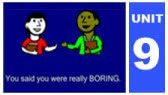
Active form (it produces...) --> -ING: a boring film (if you see the film, you will feel bored)
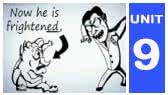
Passive form (I feel...) --> -ED: a bored person (a person who feels bored)

- I am boring = people feel bored when they are with me.
- I am bored = I feel bored because I'm doing nothing.

- An interesting book = if you read this book, you will enjoy it.
- She is interested in this book = She likes the book very much.

- I am tired because I have worked for 10 hours, I need some sleep
- This job is very tiring because you can never sit down

Please log in to enter a dedication or register as a user.

Please log in to do a report or register as a user.

Post your comment: click here to write.

 
  • Users
  • Teachers can enter suggestions for class exploitation